The QMJ-2000 45° Cutting & Grinding Machine is a versatile solution for ceramic and stone deep processing, built for stable continuous operation in demanding workshops.
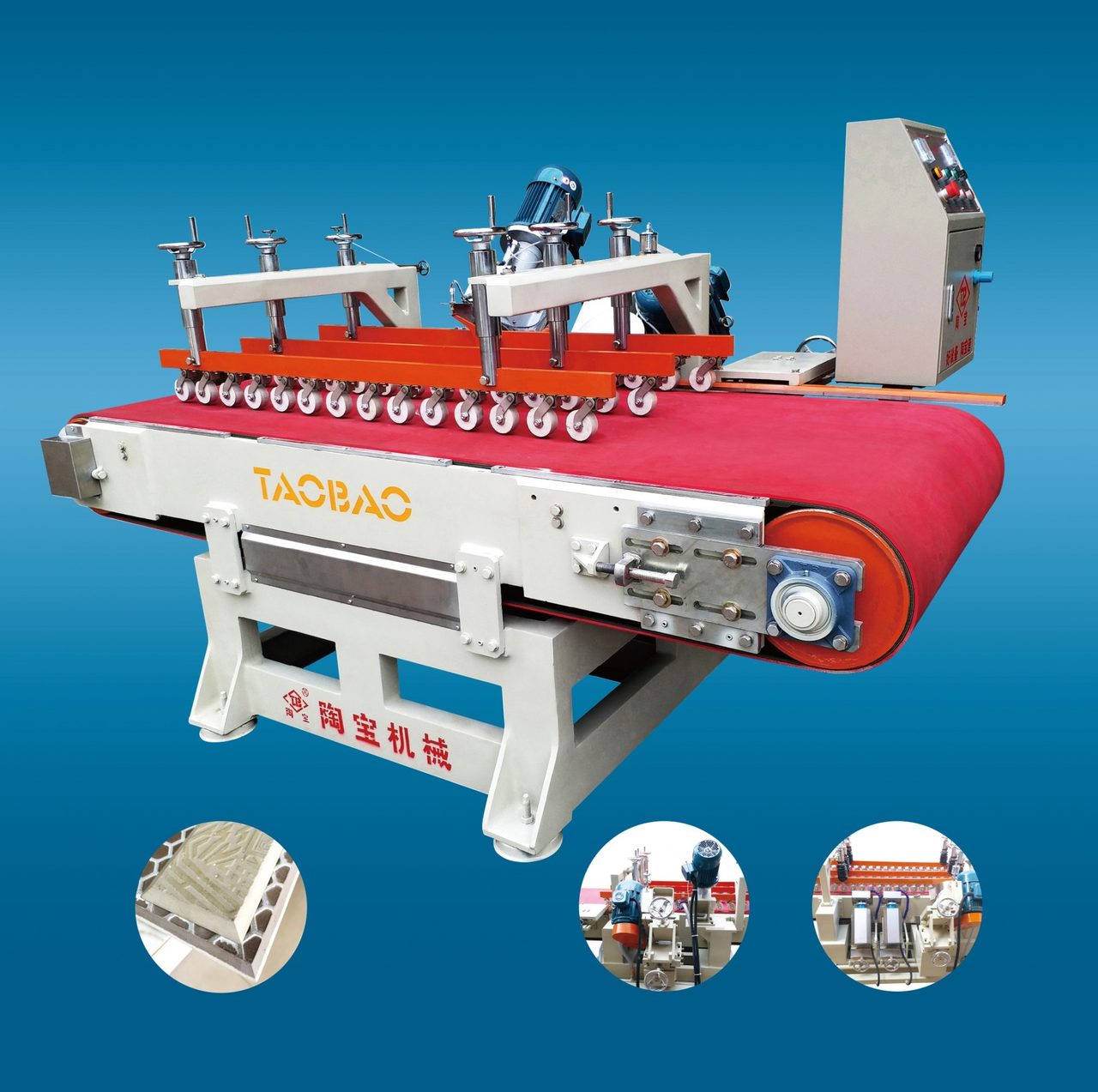
Engineered for clean edges with minimal chipping on ceramic, porcelain and stone.
Rigid frame and oil-lubricated spindles with external water cooling for long service life.
Reduces manual labor and improves yield for continuous production environments.
CE-aware build, English documentation and remote technical support for overseas buyers.
Essential Safety Requirements:
Personal Protective Equipment (PPE):
Machine Safety Features:
Workspace Safety:
Operator Training Requirements:
78% of polishing machine failures are preventable with proper maintenance. Neglect costs an average of $50,000/year in downtime.
Core Maintenance Philosophy (3 Pillars): 1. Prevention: Regular scheduled maintenance before failures occur 2. Prediction: Vibration analysis, temperature monitoring, oil analysis 3. Precision: Torque specifications, calibration procedures, OEM-quality parts
Daily Checks:
Weekly Assessment (2-3 hours):
Component Replacement Intervals:
| Component | Check Frequency | Replacement Criteria |
|---|---|---|
| Polish pads | Daily | 75% of original thickness |
| Drive belts | Weekly | >10% stretch or visible cracking |
| Water filters | Monthly | >50% flow reduction |
| Bearings | 2,000 hours | Temperature rise >20°F |
ROI: Every $1 spent on preventive maintenance saves $3-5 in emergency repair costs and production losses. Equipment lifespan extends 40-60%.
Daily Maintenance (Every 8 Hours):
Weekly Maintenance (Every 40 Hours):
Monthly Maintenance (Every 120 Hours):
Quarterly Maintenance:
Cost Impact: Unplanned downtime averages $1,500/hour; 42% of stoppages are equipment failure; manufacturers face ~800 hours of unplanned downtime annually. Prevention costs 15-20% of total maintenance budget but prevents 70-80% of potential failures.
| Wear Part | Typical Lifespan | Replacement Indicator |
|---|---|---|
| Diamond Blade | 200-800 cutting hours | Rough edges, slow cutting, visible segment wear |
| Polish Pads (Fickert) | 200-500 hours | Below 75% original thickness |
| Drive Belts | 2,000-4,000 hours | >10% stretch, visible cracking |
| Bearings (spindle) | 8,000-12,000 hours | Temperature rise >20°F, abnormal noise |
| Bearings (motor) | 2,000 hours (re-lube interval) | Grinding sound when rotated manually |
| Water Pump Filter | 30-45 days | >50% pressure drop |
| Secondary Water Filter | 60-90 days | Scheduled replacement |
| Hydraulic Seals | 1-2 years | Visible leakage, pressure loss |
| Laser Diode | 10,000+ hours | Dim or no beam projection |
Proactive replacement strategy: Replace components at 70-80% of expected lifespan to avoid unexpected failures. Keep critical spares in stock (blades, belts, filters, bearings).
Send us your material type, size and target output — we reply within 24h.
Get a Quote